Hospital Inpatient Programs and Rehab Centers
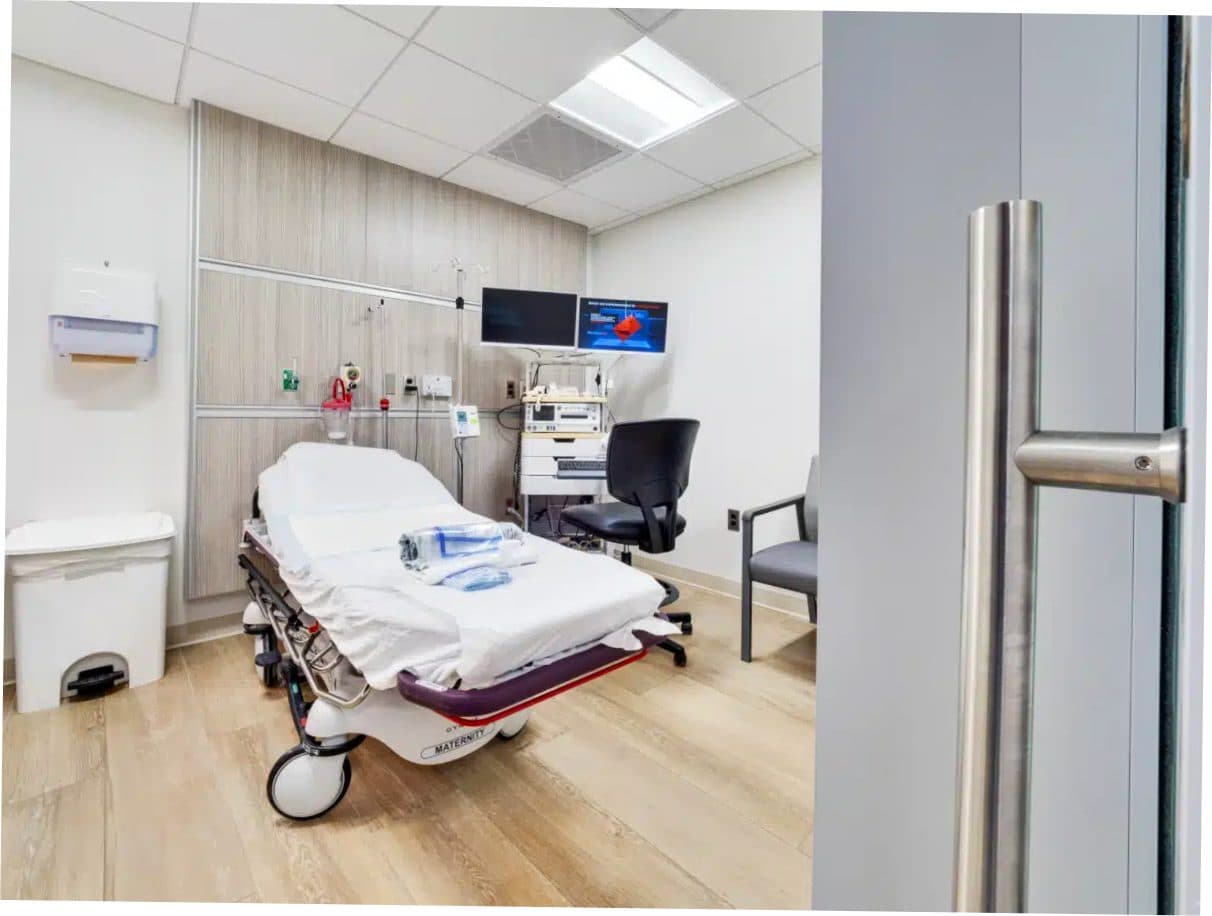
Hospital inpatient treatment delivers the highest level of medical supervision available for addiction — built for severe substance use disorders, dangerous withdrawal, acute psychiatric symptoms, or co-occurring medical conditions that need continuous monitoring. Patients have around-the-clock access to physicians, nurses, and full medical equipment, with stays typically running 7-30 days for stabilization before stepping down to residential or outpatient care.
Not Sure Where to Start with Treatment?
Look through the directory, or pick up the phone and talk it through.
Understanding Hospital Inpatient
Hospital inpatient treatment delivers the most medically intensive level of addiction care available. Hudson Mohawk Recovery helps you locate hospital-based programs with full medical and psychiatric staffing on hand around the clock — the right setting when addiction shows up alongside acute medical or mental health complications.
When Hospital-Level Supervision Is Warranted
Hospital inpatient care is typically recommended for:
- Severe withdrawal that requires continuous medical monitoring
- Co-occurring serious medical conditions complicating addiction
- Acute psychiatric emergencies presenting alongside substance use
- Overdose stabilization and the early phase of follow-up treatment
- Cases where lower levels of care have not been sufficient to stabilize
How Hospital Inpatient Differs From Residential Rehab
Unlike residential rehab, hospital inpatient settings keep physicians, nurses, and full medical equipment immediately available 24/7. That depth of medical readiness is what makes hospitalization the right level when addiction is tangled up with medical or psychiatric conditions that need continuous clinical oversight. Hospital stays are typically shorter, usually 7-30 days, before patients step down into residential or outpatient care.
Stepping Down Into Continued Care
Once medical stabilization is achieved, the next step is usually moving into residential treatment or a partial hospitalization program so the therapeutic work can continue in a setting that is less medically intensive but still highly structured.